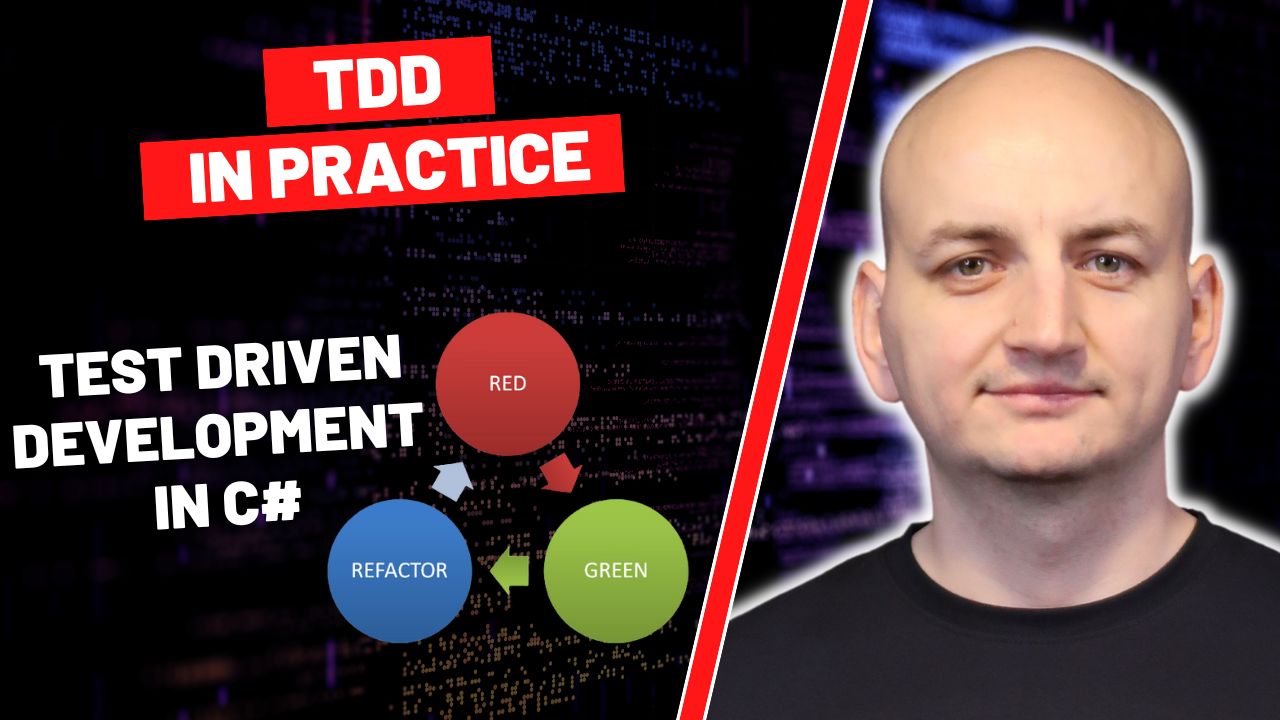
Test Driven Development, abbreviated as TDD, i.e. test-driven software development. That is, as if the tests drive our code that we will write. I think TDD has been heard by every programmer, but few of them have ever tried to write [...]
I'm often asked whether you should write unit tests for private or protected methods. Or how to test private methods in C#. Today I will try to briefly answer these questions. To make it easier for you to understand this problem, I [...]
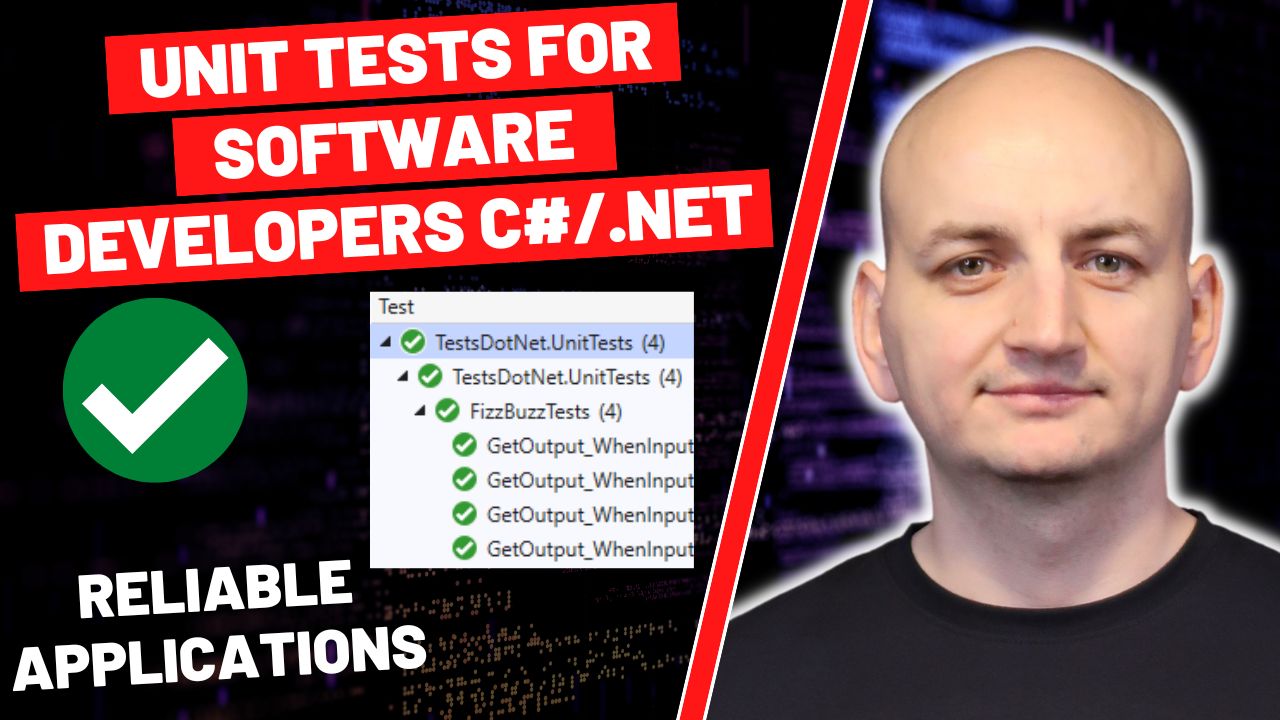
In a previous blog post, I introduced you to automated testing. If you haven't read it yet, be sure to check it out before reading this article. Unit tests are one of the types of automatic tests. In this article, I will first tell you a little [...]
Automation tests, i.e. code that tests another piece of code. As the name suggests, these are automatic tests, thanks to them we can test our applications often and quickly - if we want to test some functionality in our application [...]
Every programmer has different stages in his career. Typically, novice programmers try to write their applications in such a way that they meet all the requirements, regardless of how they write their code. Over time, as subsequent [...]
It's time to decipher the last, but definitely not the least important letter of SOLID, i.e. D for Dependency Inversion Principle. This principle says that: -High-level modules should not depend on low-level modules. Both should [...]
Continuing the series of articles about SOLID, today it's time to discuss the letter I, or more precisely the Interface Segregation Principle (ISP for short). It seems to me that of all the SOLID rules, the principle of interface segregation [...]
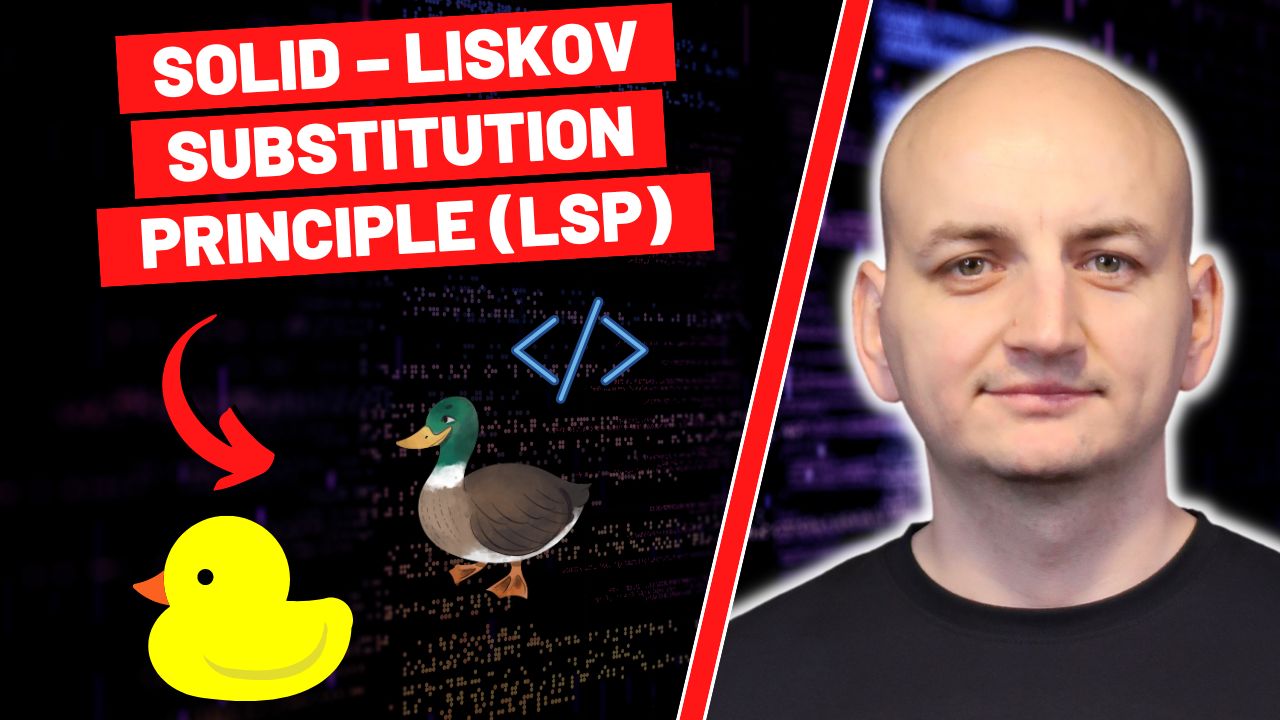
Another SOLID principle that will make our code of good quality is the Liskov Substitution Principle (LSP) was developed in 1988 by American programmer Barbara Liskov. For the first time the rule was: "We are looking for the [...]
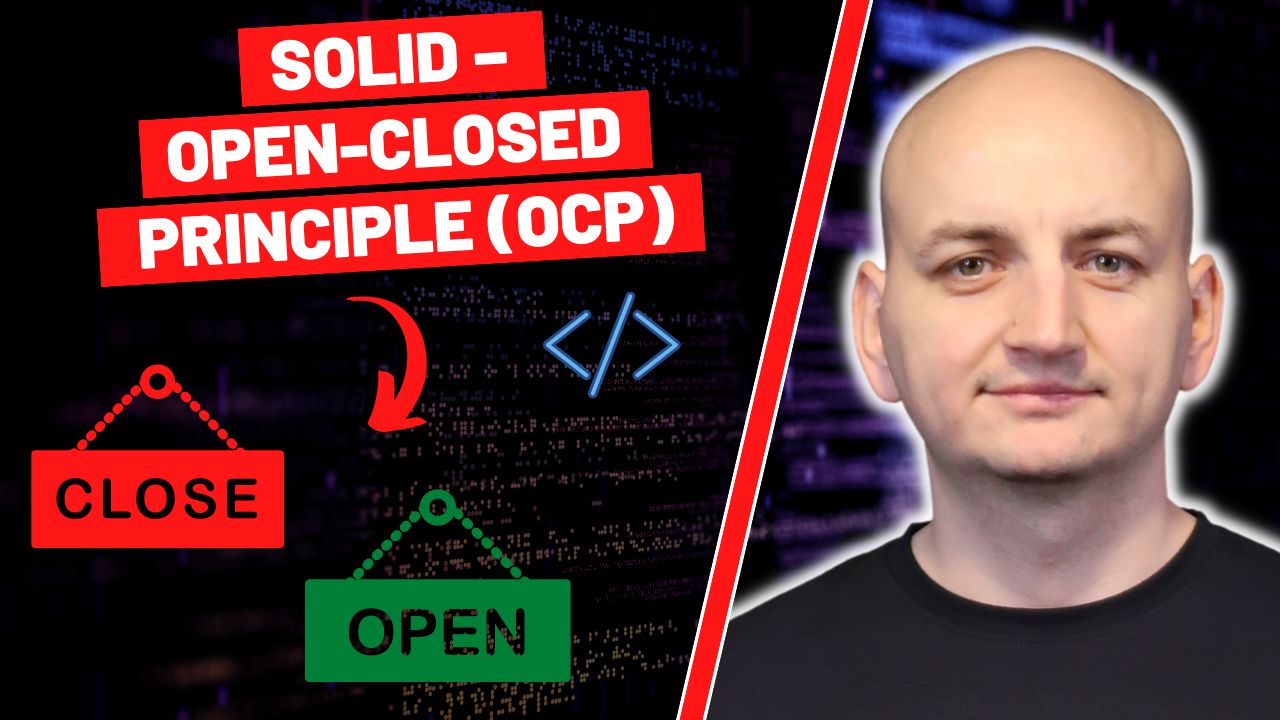
The Open-Closed Principle (OCP) was defined in 1988 by Bertrand Meyer. It states that a software element should be open to extension but closed to modification. Thanks to the open-closed principle, our systems can be [...]
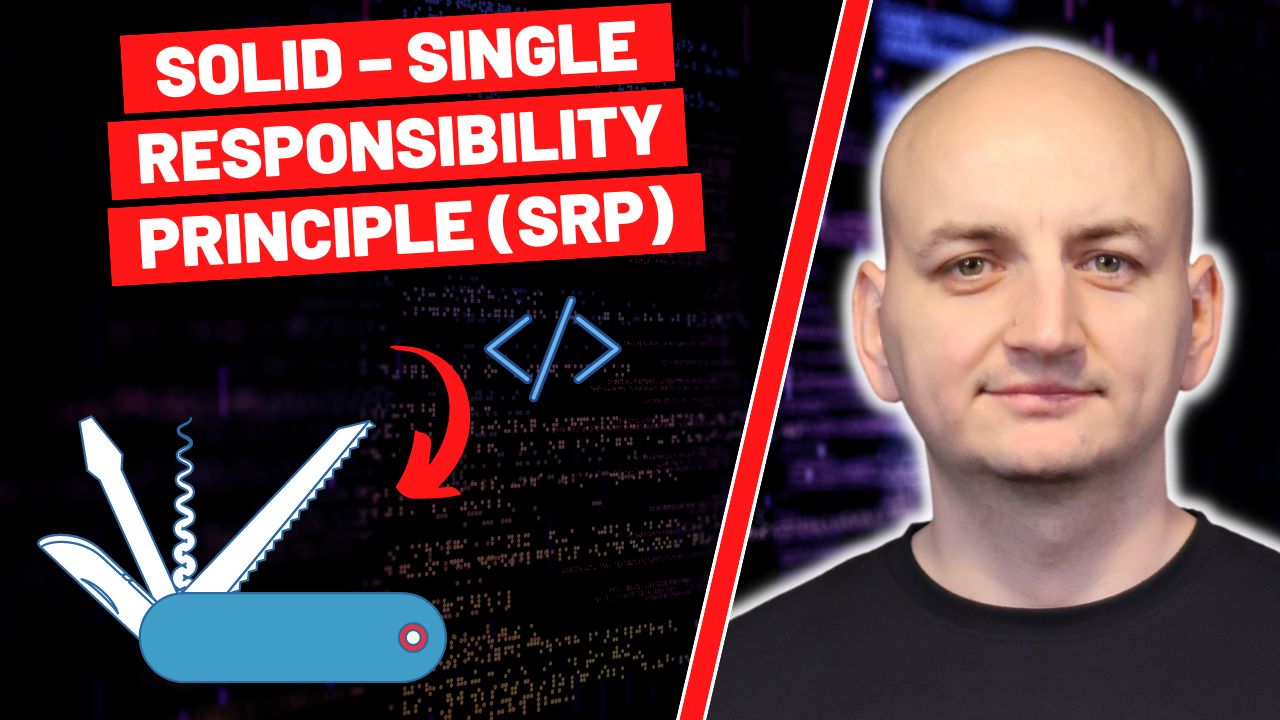
When writing code, a programmer should try to write clean code. What does it mean? Among other things, this means that the code should comply with design patterns and good practices. The most popular design rules in object- [...]